
Complete SEO & AEO Strategy Guide for Startups & Small Businesses
Essential tactics and optimization techniques to build a discoverability system that adapts, grows, and turns search into a real growth engine — not a mystery.

Visibility Today Isn't About Stuffing Keywords
If you're a founder or running a small business, you already know that being visible online isn't just a nice-to-have — it's survival. But here's the thing: visibility today isn't about stuffing keywords or ticking SEO boxes. It's about understanding how people actually find you in a world where search is smarter, faster, and more conversational than ever.
Let's cut through the noise. SEO is how people find you when they know what they want. AEO — Answer Engine Optimization — is how they find you when they don't. Both are critical, but they play different roles in your discoverability ecosystem. This guide isn't about textbook definitions; it's about what works right now, how to build systems that last, and how to think about visibility as a core part of your business strategy.
In 2026, search isn't just a list of blue links. It's AI-powered, voice-activated, and context-driven. If you want to win, you need to build a discoverability system that adapts and grows with these changes. Here's how.
SEO: The Foundation of Intent-Driven Discovery
SEO is your bread and butter for when customers know what they want and are actively searching for it. Think of it as the map that guides them straight to your door.
But here's what I see with founders all the time: they focus on keywords without building the infrastructure that supports real growth. SEO isn't just about keywords; it's about creating a system that makes your site easy to find, fast to load, and trustworthy.
Building Your Discoverability Infrastructure
Your website's technical health is the backbone of SEO. If your site is slow, clunky, or insecure, you're invisible to both users and search engines. Here's what actually moves the needle:
Speed matters. Fast-loading pages keep visitors engaged and signal quality to search engines.
Mobile-first is non-negotiable. Your site has to work seamlessly on every device because that's where most searches happen.
Security builds trust. HTTPS isn't optional — it's a ranking factor and a user expectation.
These aren't just technical checkboxes; they're the foundation that lets your content shine.
Keyword Optimization: Beyond the Basics
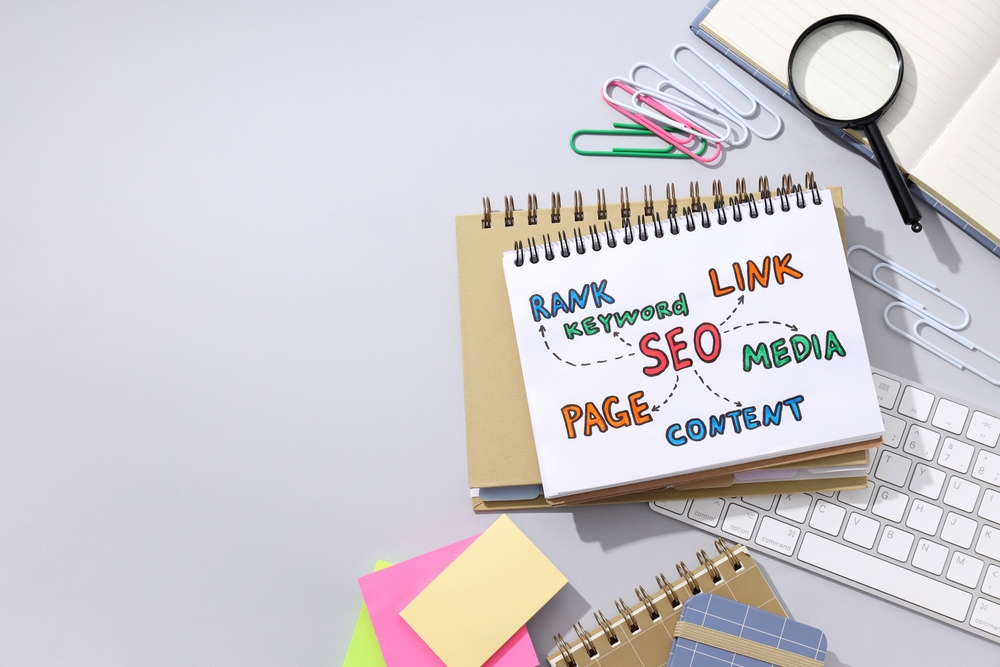
Forget chasing every popular keyword. Focus on the ones that match your audience's intent and where you can realistically compete. Long-tail keywords are your friends — they're specific, less competitive, and often closer to conversion.
Here's what I tell founders: use tools like Google Keyword Planner and SEMrush to find these gems, but always filter through the lens of your business goals.
Place keywords naturally — think titles, headers, and content that flows. If it feels forced, it won't work.
Navigating the AI-Driven Search Frontier
Search is evolving fast. AI, voice assistants, and conversational queries are changing how people look for answers. AEO is about making sure your business shows up when people ask their devices questions — sometimes before they even type a word.
Here's the reality: AEO isn't a nice add-on; it's becoming the primary way people discover information. If you're not optimizing for it, you're missing out on a huge chunk of potential traffic.
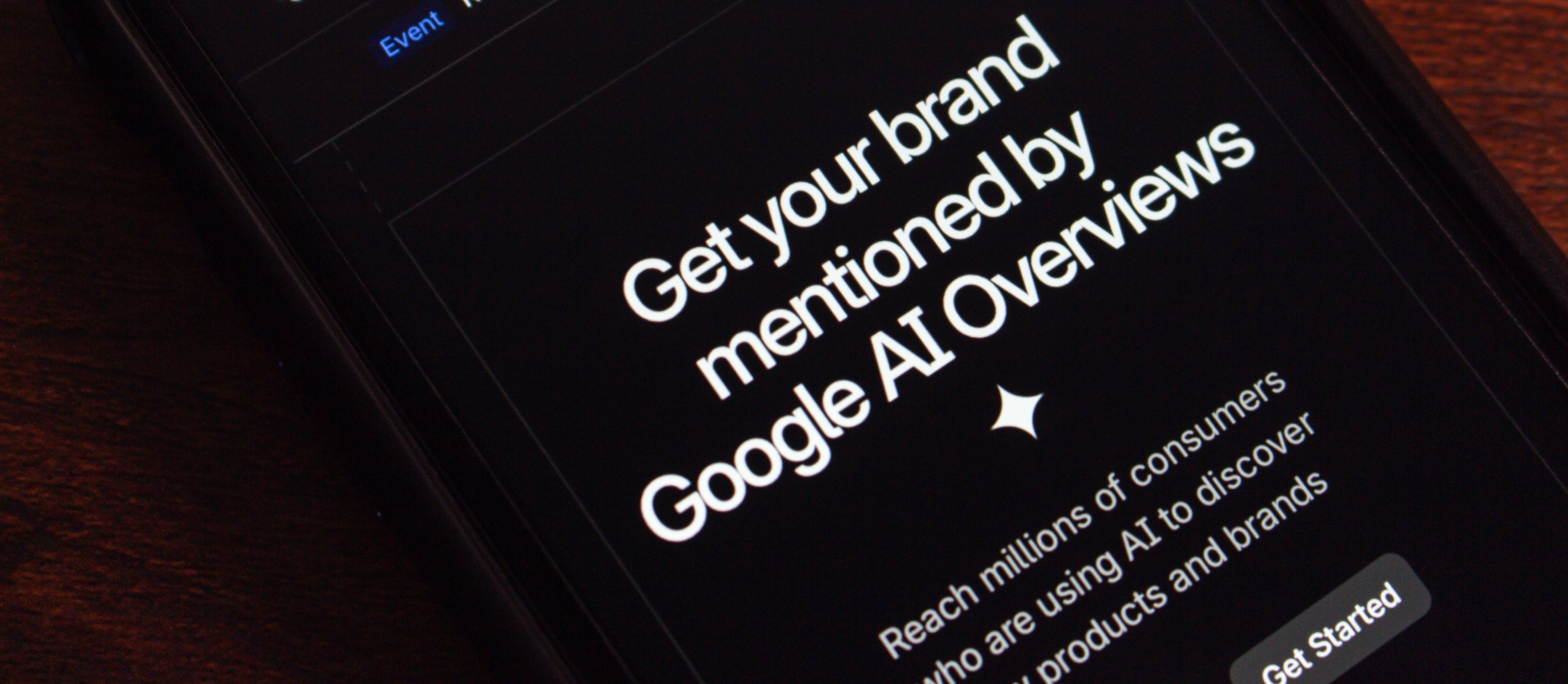
From SEO to AEO: The Shift You Can't Ignore
AI-driven search isn't just about keywords anymore. It's about context, clarity, and being the best answer. This shift demands a new mindset and new tactics for startups ready to lead, not follow.
Building a Unified Discoverability System
SEO and AEO work best when they're part of the same ecosystem. Here's what actually delivers results for startups and small businesses.
Understand How AI Evaluates Relevance
AI algorithms prioritize content that's clear, authoritative, and structured — not just keyword density. Align your content with how AI thinks.
Use Structured Data & Schema Markup
Give search engines a cheat sheet. Schema markup helps them understand your content's context, leading to rich snippets and better placement.
Craft Direct Answers to Common Questions
Write concise, direct answers to frequent industry questions. Voice search and featured snippets favor content that responds clearly and quickly.
Align SEO & AEO With Your Broader Marketing
SEO and AEO aren't separate silos. Integrate them with social, email, and other channels to build trust and recognition across every touchpoint.
Measure What Matters
Track organic traffic sources, keyword rankings over time, and conversion rates from search visitors. Let data drive your next move.
Adapt Constantly
Visibility isn't a set-it-and-forget-it deal. Review performance regularly, spot gaps, and optimize. Marketing that isn't reviewed isn't improving.
What Actually Moves the Needle
Forget the fluff. Here are the SEO fundamentals every startup and small business needs to focus on — without overcomplicating it.
On-Page Optimization
Nail your titles, meta descriptions, and headers with relevant keywords that fit naturally.
Link Building
Build relationships that earn you high-quality backlinks — this boosts your domain authority.
Content Marketing
Produce valuable content that attracts and keeps your audience engaged, earning organic reach.
Local SEO
If you serve a local market, local SEO is your secret weapon. Show up when people nearby are ready to buy.
On-Page Checklist for Small Businesses
Use tools like Google Keyword Planner and Ahrefs — but don't just chase volume. Look for keywords that fit your niche and where you can realistically rank.
- Optimize title tags and meta descriptions with your target keywords.
- Use header tags (H1, H2, H3) to organize your content clearly.
- Optimize images with alt text and keep file sizes small for faster loading.
Winning Your Neighborhood
Claim and optimize your Google My Business profile. Use local keywords that reflect your area and encourage happy customers to leave positive reviews.
- Keep your Name, Address, and Phone (NAP) consistent everywhere.
- Build citations in local directories.
- Create content that connects with your community — local events, news, or stories.
- Fill out every section of your Google My Business profile — hours, services, photos.
- Update your profile regularly and respond to reviews.
Your Authority and Trust Engine
Content isn't just about filling pages; it's about answering real questions your customers have. When your content aligns with what people are searching for, you build authority and trust — two things that search engines reward.
Focus on creating content that:
- Directly addresses your audience's problems and questions.
- Is easy to read and share.
- Encourages backlinks and engagement.
This is how you move from being just another website to a go-to resource in your niche.
Digging Deeper: The SEO Audit Framework
Once you've got the basics down, it's time to go deeper. An advanced SEO audit uncovers what's holding you back — and what's worth doubling down on.
Technical Issues
Site speed, mobile usability, and crawl errors. These are the silent killers of SEO performance.
Content Quality
Are you really answering your audience's questions? Thin, irrelevant content drags your entire domain down.
Backlink Profile
Are your links helping or hurting? Review the quality and relevance of sites linking to you.
Tools of the Trade
Use SEMrush, Moz, or Ahrefs for a full picture. Look for broken links, duplicate content, and missing meta tags.
Metrics That Matter for SEO Performance
I've seen startups double their traffic just by paying attention to these signals and adjusting accordingly. Use this data to refine your content, technical setup, and overall strategy.
Your SEO & AEO Toolkit
Set up clear goals in Google Analytics to track conversions and engagement. Analyze where your traffic comes from and how users behave on your site. This data is your compass for continuous improvement.
The North Star of Visibility
Visibility isn't just about being seen; it's about being seen by the right people. Understand your audience deeply — what they need, how they search, and what motivates them.
- Content for founders tackles their unique challenges.
- Strategies for small business owners reflect real goals and pain points.
From Strategy to Execution
Complex strategies don't get results unless they're broken down into clear, manageable steps. Here's how to make it happen:
- Create simple, step-by-step guides for your SEO and AEO tactics.
- Break advanced concepts into bite-sized actions your team can execute immediately.
- Turn strategy into momentum and momentum into growth.
Visibility Isn't a Campaign — It's a System
Build it thoughtfully, measure it relentlessly, and adapt it constantly. That's how you turn search from a mystery into a growth engine for your startup. Let's build yours together.